25 November 2026
How to Choose the Right Helicopter Tour Over Niagara Falls, Canada
Presented by @besthelicoptertourniagaraplus
Seeing Niagara Falls from a helicopter is one of the most memorable ways to experience the cascades, the mist, and the surrounding gorge. The view from above transforms the familiar postcard image into a sweeping panorama of water, rock, and sky. But with several tour options available, picking the one that suits your preferences can feel a bit overwhelming. This article walks you through the key factors to consider, from flight duration to seating choices, so you can make an informed decision and enjoy the experience fully.
Start With the Route and What You Will See
The first thing to understand is what a typical helicopter tour covers. Most flights depart from a helipad near the Niagara River and follow the river's course toward the falls. You will pass over the American Falls and then the massive Horseshoe Falls, which curve in a perfect arc of falling water. Many tours continue downstream over the Whirlpool Rapids, where the river twists and churns in a dramatic narrow channel. The exact route can vary between operators, so check the description before booking. If seeing both the American and Canadian sides of the falls from the air is important to you, look for a tour that explicitly includes that. Some shorter flights may only circle the Horseshoe Falls, while longer ones take in the entire gorge as far as the Whirlpool area. Knowing the route helps set your expectations and ensures you get the perspective you want.
Consider Flight Duration and What It Means
Flight time is a major factor. Tours typically range from about 10 minutes to 20 minutes or more. A 10-minute flight gives you a quick but breathtaking overview: you lift off, fly over the falls, turn around, and land. It is enough to feel the scale and the power of the water, but you will not have much time to pick out details or take photos. A longer flight, say 15 to 20 minutes, allows the pilot to take a broader route, giving you more time to absorb the scenery and shoot a few images without feeling rushed. If you are traveling with someone who gets motion sick, a shorter flight may be wiser. But if you want to really soak in the view, a longer tour is worth the extra minutes. Remember that the actual "over the falls" portion of a short flight is quite brief, so factor in the time spent climbing to altitude and landing.
Think About the Helicopter Model and Seating
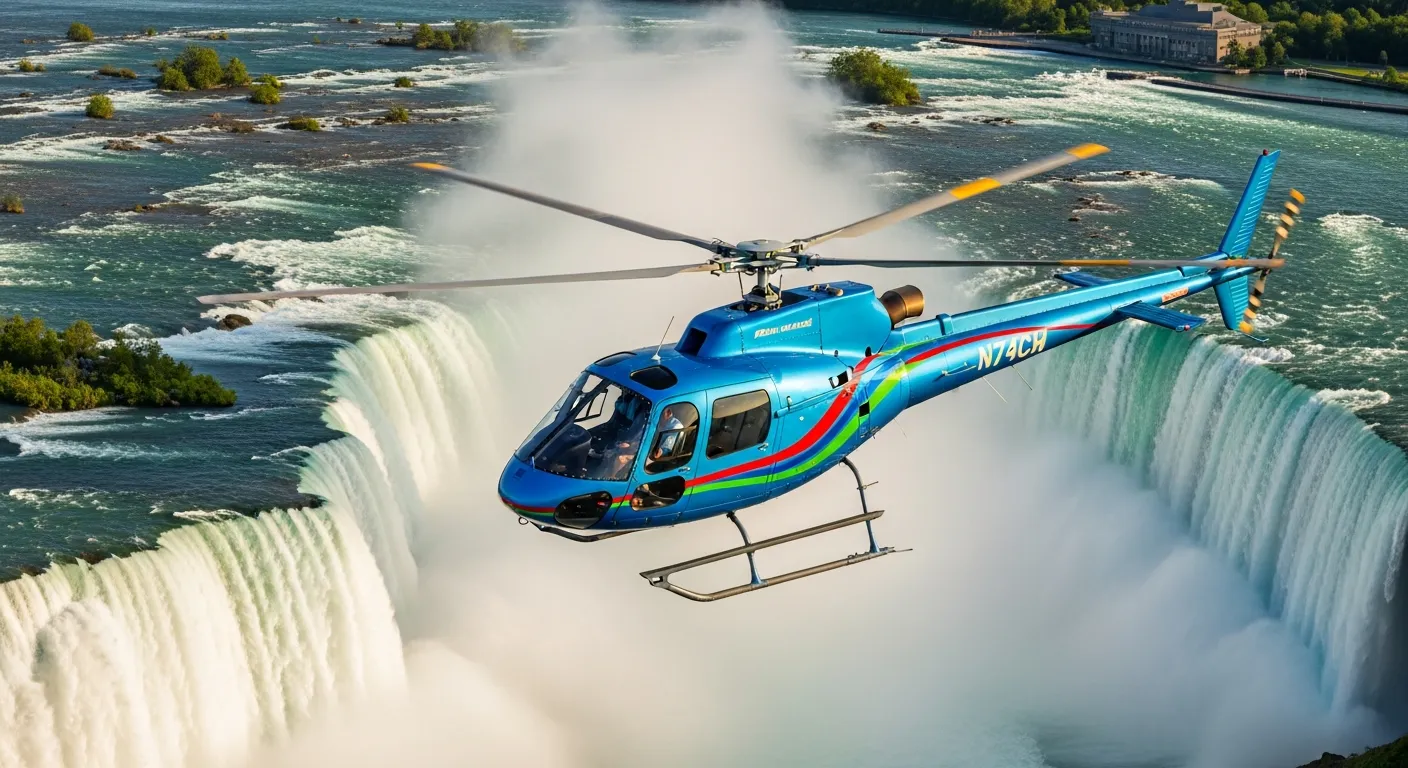
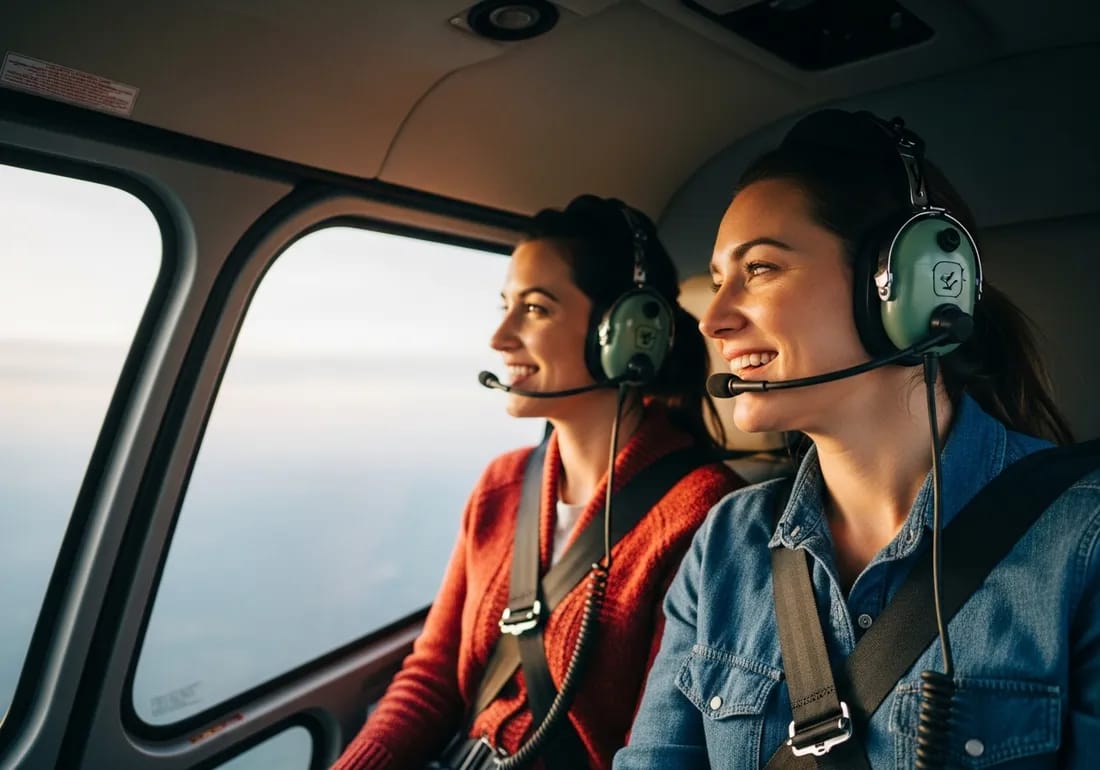
The type of helicopter used affects both comfort and visibility. Common models include the Bell 206 JetRanger and the Robinson R44 or R66. These are small, nimble aircraft that can carry three to five passengers. In smaller helicopters, every seat has a window, but the view from a middle seat can be slightly obstructed by the pilot's seat or the helicopter's structure. Some operators offer the option to request a window seat, often on a first-come, first-served basis. If having an unobstructed view is a priority, ask about seating policy when you book. Larger helicopters, such as the Bell 407, offer more cabin space and sometimes larger windows, which can make the ride feel less cramped. The choice of model also influences noise levels and vibration. All helicopters are noisy, but newer models tend to have better soundproofing. You will be given a headset anyway, which lets you hear the pilot's commentary and communicate with other passengers.
Look at the Time of Day and Weather Conditions
Light and weather dramatically change what you see. Early morning flights often have calmer air and fewer other aircraft in the sky, which makes for a smoother ride. The low sun can cast long shadows and create a golden glow on the mist. Midday flights are the most popular, with bright sunlight that makes the water sparkle, but the glare can also wash out photos. Late afternoon and early evening flights offer softer light and, in summer, the chance to see a rainbow form in the spray below. If you want to photograph the falls, aim for a time when the sun is behind you or to the side, not directly ahead. Check the weather forecast before booking. Rain or low clouds can reduce visibility, and high winds may lead to cancellations or a bumpy ride. Most operators are experienced at judging safe flying conditions and will reschedule if needed, so be flexible with your plans.
Review Safety and Briefing Practices
Every reputable operator gives a safety briefing before the flight. This typically covers how to board and exit the helicopter, how to fasten the seatbelt, and what to do in the unlikely event of an emergency. You will be told to keep your seatbelt fastened throughout the flight and to follow the pilot's instructions at all times. The briefing is short and straightforward, but it is worth paying attention. A good operator will also show you where the emergency exits are and explain how the headsets work. If you have any concerns about flying, such as fear of heights or motion sickness, mention them during the briefing. The pilot can adjust the flight path slightly to avoid sudden maneuvers, though the flight still follows a set route. Safety records for helicopter tours at Niagara Falls are generally excellent, but you should still choose an operator that clearly emphasizes safety in its communications.
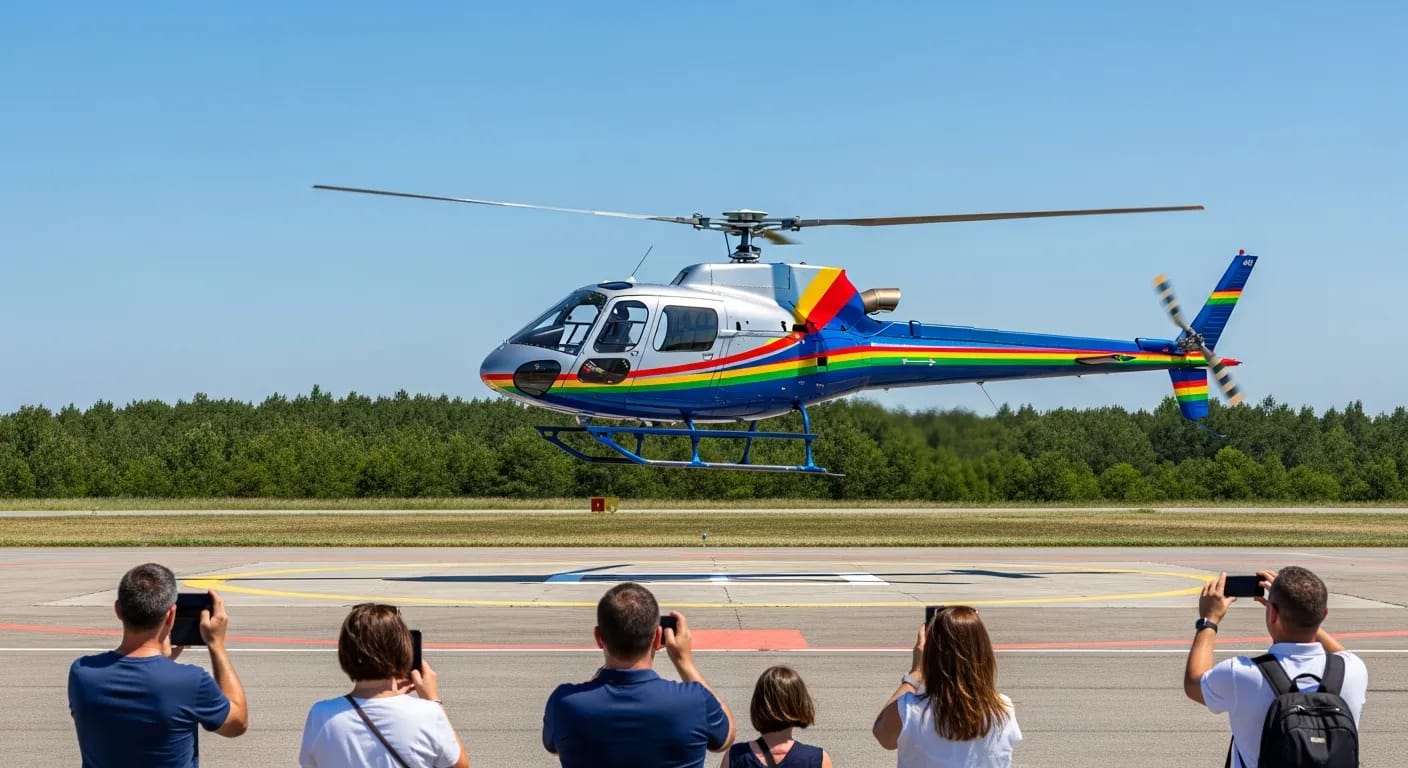
When researching options, you will come across the name Niagara Falls Helicopter Tours. The company has been a fixture in the area for many years, offering flights that cover the classic route over the falls and the rapids. Their tours are a common choice for visitors who want a reliable experience with experienced pilots. As you compare operators, keep in mind that the best helicopter tour for you depends on your priorities: flight length, seat preference, time of day, and the specific sights you want to see. Reading recent reviews from other travelers can give you a sense of what each operator does well and where they might fall short.
Check for Weight and Passenger Policies
Helicopters have strict weight limits for safety. When you book, you will be asked for your weight (or an estimate). Some operators weigh passengers at the helipad to confirm the total load. This is normal and not meant to embarrass anyone; it is simply a safety requirement. If you are flying with a group, the weight distribution can affect which seats are available. Larger passengers may be seated in the front next to the pilot, where there is more legroom and a good view. Children are usually allowed on flights, but they must meet a minimum age or weight requirement. Check the policy for infants and toddlers, as some operators require them to sit on an adult's lap, while others have their own seat. If you are traveling with someone who uses a wheelchair, contact the operator in advance to discuss accessibility. Most helipads are flat and accessible, but boarding a helicopter involves stepping up into the cabin, which may be difficult for some passengers.
Compare Packages and Add-Ons
Some tour operators offer packages that combine the helicopter flight with other attractions, such as a boat cruise or a visit to the observation deck. These can be convenient if you want a full day of sightseeing, but they also lock you into a set schedule. If you prefer to customize your day, booking the helicopter tour separately gives you more flexibility. You might also see options for private charters or extended flights that include a longer route. These are usually more expensive but offer a more exclusive experience. For most visitors, a standard shared flight provides plenty of value and a great view. Just be aware that shared flights mean you will be sitting with strangers, which can be fine or a bit cramped depending on the helicopter size.
Final Practical Tips Before You Book
Once you have narrowed down your choices, take a few minutes to confirm the booking details. Make sure you know the exact location of the helipad, how early you need to arrive, and what items you can bring on board. Cameras and phones are allowed, but loose items like hats or scarves should be secured or left behind because they can fly out during the flight. Wear comfortable clothing and closed-toe shoes. The helicopter cabin can be warm in summer and cool in winter, so dress in layers. Finally, bring a sense of adventure. The roar of the falls is loud from the ground, but from the air it is a different kind of thrill - the sight of the water plunging over the edge, the mist rising up, and the green of the gorge stretching away in every direction. Choosing the right tour ensures that the memory you take away is exactly the one you hoped for.